Hospitality Bedding · Practical Guide
Bovi Pillowcases and Shams: Coordinating Details for a Polished Guest Bed
A guest bed is judged at a glance and experienced in the dark. Pillowcases meet the sleeper; shams frame the room. With considered choices of cotton percale or sateen, and details that suit the rest of the bedding, Bovi pillowcases and shams show how a modest finishing layer can make a bed feel both inviting and complete.
The small details that set the bed
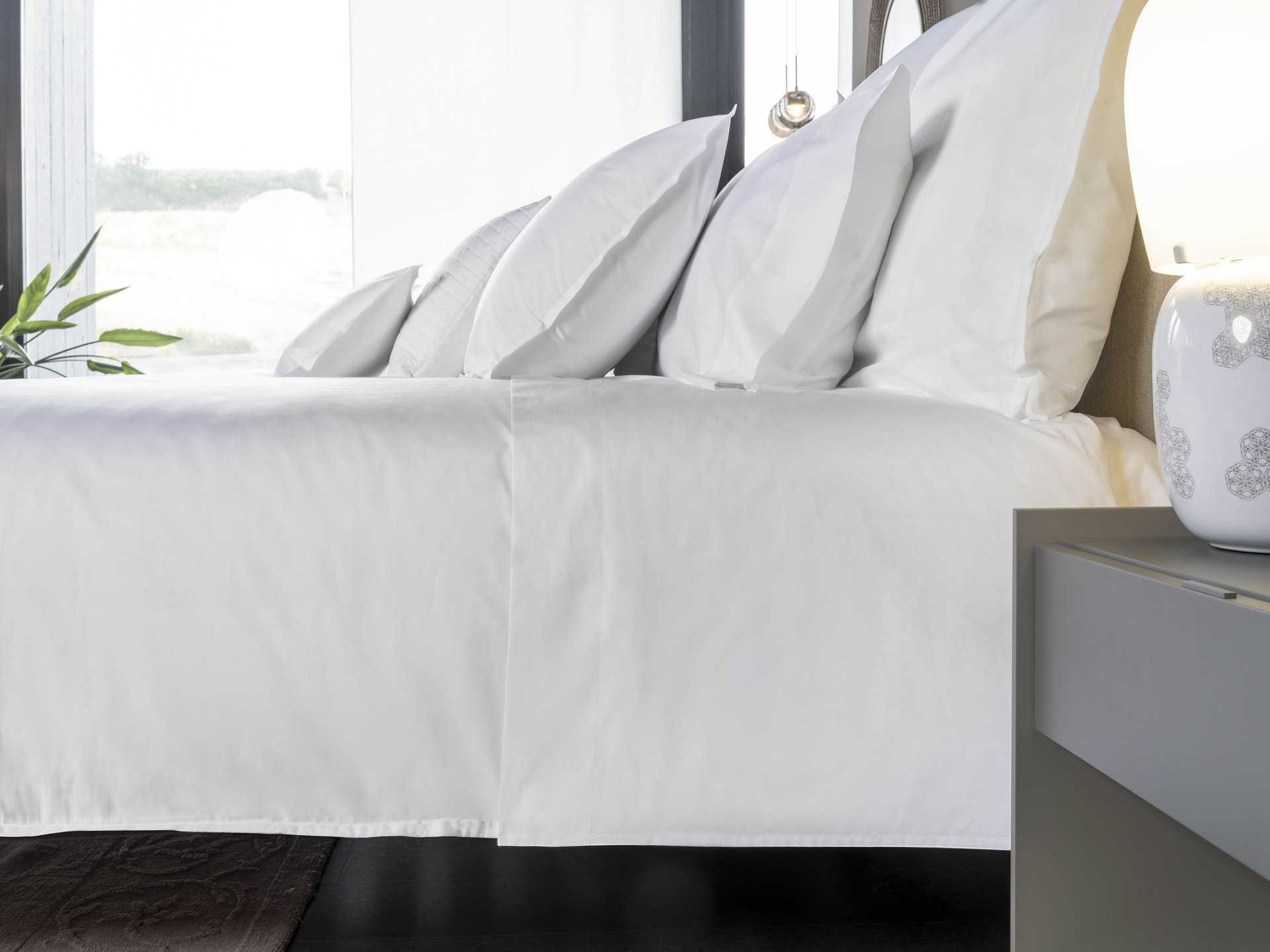
There is a quiet choreography to a well-made guest bed. The fitted sheet holds its place, the top sheet falls evenly, and the duvet gives the surface its shape. At the head of the bed, pillowcases and shams complete the composition. Their role may appear secondary, but they occupy the part of the bed guests notice first and use most directly.
A pillowcase is a functional cover for a pillow used during sleep. Its fabric touches the face and should feel comfortable, while its construction needs to tolerate routine washing. A sham is generally a more decorative covering, often used to give pillows a tailored outline or to add a layer of pattern and texture. In practice, the distinction can vary by bedding program and product design. The useful rule is simple: prioritize sleep comfort for the pillows guests use, and treat decorative layers as part of the room’s presentation.
That distinction helps operators make choices without turning the bed into a display that is difficult to maintain. A coordinated set can look deliberate without being fussy. The aim is not to add the greatest number of pieces, but to make each one contribute: a crisp edge, a soft surface, a restrained embroidered line, or a tone that connects the pillow to the duvet and sheets.
Bovi’s pillowcase and sham options offer examples of how material and detail can shape that impression. In the Classic Hotel range, cotton percale and a restrained embroidered finish create a clean, hotel-inspired look. The Herron collection takes another route, using cotton sateen and a more prominent herringbone embroidery. These are different design languages, not competing definitions of luxury. The right choice depends on the room’s character, the linen already in service, and the practical demands of care.
Percale and sateen: two distinct impressions
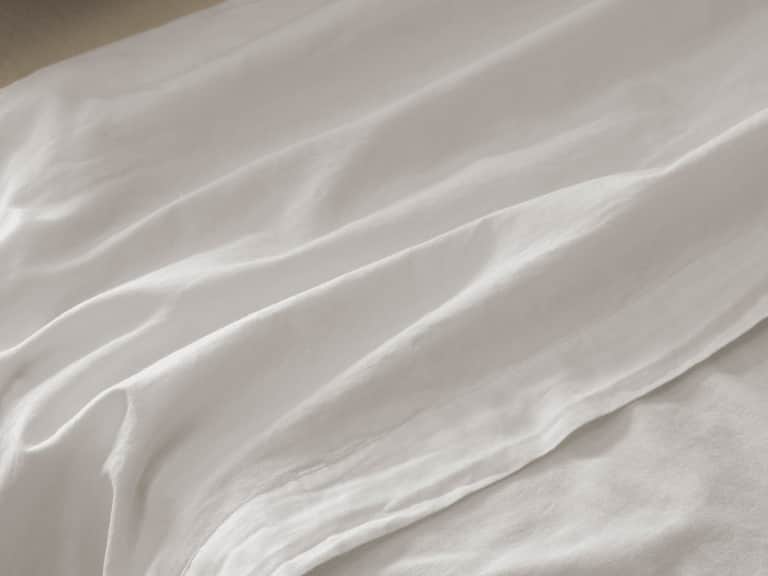
Weave affects how cotton looks and feels. Percale is commonly associated with a matte appearance and a crisp, breathable hand. It suits a bed that aims for a fresh, orderly finish—one that feels familiar to guests who like the cool, clean impression often associated with classic hotel bedding. Its restrained surface can also make embroidery and neat hems stand out without adding visual weight.
Bovi’s Classic Hotel pillowcases and shams are described as 100% cotton percale with a 200 thread count. Their stated design details include a single line of embroidered stitching and a small cross-stitch finish at the corners. The effect is a quiet one: definition at the edge, but not an elaborate border that competes with the rest of the room. The collection’s straightforward character can work particularly well where the bed is expected to look polished across many rooms, rather than styled as a one-off centerpiece.
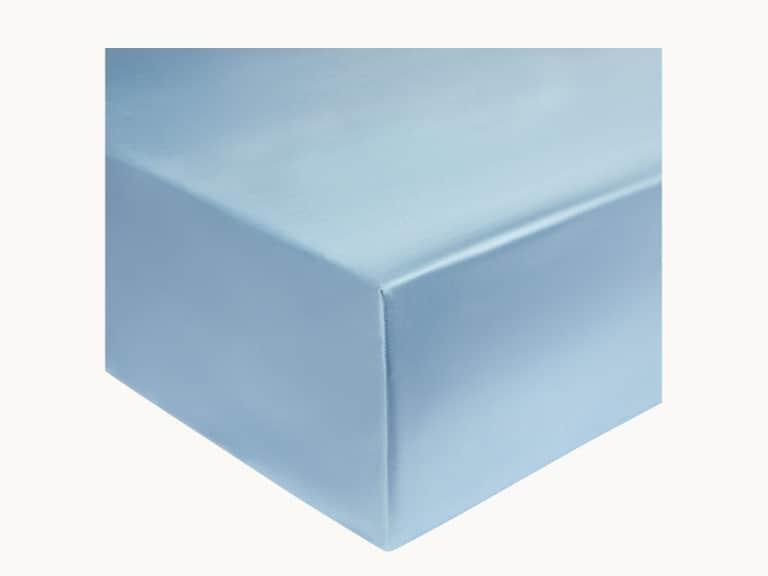
Sateen offers a smoother surface and a subtle sheen. The weave creates a more fluid, dressier impression than the matte look of percale, making it a natural option for rooms where a soft glow and a more sumptuous hand are part of the intended experience. The word “sateen” describes a weave, not a guarantee of a particular quality level. Fiber, yarn, construction, finishing, and care all influence the result.
Bovi’s Herron pillow shams and pillowcases are made from 100% cotton sateen, described as 300 thread count, with bold herringbone embroidery. The embroidery gives the surface more graphic presence than the single-line detail of the Classic Hotel pieces. Against plain bedding, it can provide a clear focal detail; alongside patterned or heavily embellished textiles, it may be more visual information than the room needs.
For hospitality teams, the decision between percale and sateen should begin with the guest experience and the operating routine—not a number on a label alone. Ask whether the room should feel crisp and cool or smooth and softly lustrous. Then assess whether the chosen fabric, trim, and finish can be maintained consistently under the property’s laundry process. A beautiful pillowcase that is difficult to keep in service is not a complete solution.
A coordinated bed is not a matching set
Coordination is often mistaken for uniformity. Every layer does not have to share the same trim, weave, and shade to belong together. A more composed bed can use contrast deliberately: crisp percale pillows with a smooth sateen cover, a simple white sheet beneath an embroidered sham, or a tonal palette in which small differences in texture provide depth.
Start with the most prominent elements already in the room. If the duvet cover has a visible border or pattern, keep the pillow detail relatively quiet. If the duvet is plain, a restrained embroidered edge can lend character without changing the overall palette. Where the room uses warm neutrals, coordinating whites and soft tones can keep the bed calm. The point is to establish a visual hierarchy: one element leads, while the others support it.
Bovi’s Classic Hotel design is a useful reference for understated coordination. Its percale base and modest stitched details can sit comfortably with a range of bedding styles. Herron, by contrast, makes embroidery more visible through its herringbone motif. Both approaches can produce a polished bed, but they signal different moods. The Classic Hotel look reads as clean and traditional; the Herron look brings a more defined decorative accent.
Consistency matters across a property, but consistency does not require every room to look identical. A hotel might use one core palette while allowing a suite or room type a slightly different accent. The practical safeguard is to define a small set of approved combinations. That gives housekeeping teams a clear standard and makes replacement purchasing more predictable. It also reduces the risk of a room’s pillowcases, shams, and duvet appearing to have been assembled by accident.
When developing a bed presentation, consider what guests will see from the doorway and what they will touch at night. Decorative pillows can be arranged for arrival, but the pillows intended for sleeping should remain easy to identify and use. If extra layers are removed at bedtime, staff should have a consistent place and procedure for handling them. A polished look should never become an obstacle to rest.
Comfort and upkeep belong in the same conversation
In hospitality, appearance and performance meet in the laundry room. Pillowcases are among the most frequently handled pieces of bedding, and an attractive finish has to withstand the actual cycle of use, washing, drying, inspection, and return to service. Fabric content alone does not tell the whole story. The property should also consider stitching, closures, seam construction, trim placement, and the care instructions supplied for the specific item.
Cotton percale’s crisp character and cotton sateen’s smoother finish may respond differently to a property’s laundering and pressing routines. Do not assume one is automatically easier to maintain. Test the pieces using the detergent, water conditions, drying method, and finishing practices the team will use in ordinary operation. Inspect both the main fabric and decorative details after repeated cycles. A small test can reveal whether the finished item keeps its expected hand and appearance under local conditions.
Care directions should be followed rather than replaced by a general rule applied to all linens. Bovi’s product information for the Classic Hotel pieces specifies machine washing in warm water on a gentle cycle, avoiding bleach and fabric softener, washing dark colors separately, and tumble drying on low heat. It also advises removing items while damp and, for certain pieces, steam ironing on the reverse. Teams should check the label and current supplier guidance for the exact product in service before setting a standard operating procedure.
Fabric softener is a particular reminder that routine habits can matter. A property may use it to make textiles feel softer, but the product guidance for the Classic Hotel range says not to use it. The operational answer is not to generalize that instruction across all bedding; it is to record the requirements for each linen program and make them visible to the team responsible for sorting and washing.
Storage and handling also influence presentation. Keep clean pillowcases protected from dust and moisture, and separate pieces with visible staining, damage, or loose embroidery for assessment. Replacing one worn sham in a matched pair may be visually obvious, so inventory planning should account for the way these pieces are used together. A modest reserve can prevent a small shortage from disrupting room readiness or forcing an inconsistent mix.
Build a repeatable pillow presentation
A short standard can turn a good-looking bed into a repeatable result. It should specify which pillows are for sleeping, which are decorative, how the cases or shams are oriented, and how many pieces belong on each bed type. The best guide is practical enough to use during a busy room turnover and precise enough that different team members can achieve the same finish.
- Confirm the room’s bedding combination. Identify the approved sheet, pillowcase, sham, and duvet-cover choices for that room type. Check color and trim compatibility before placing the pieces on the bed.
- Inspect each piece. Look for marks, damaged seams, missing buttons or other closures where applicable, and embroidery that has pulled or frayed. Set aside items that do not meet the property’s condition standard.
- Fit the sleep pillows neatly. Ensure pillowcases sit securely and that the opening is positioned consistently. Avoid stretching the fabric or forcing an ill-fitting pillow into its cover.
- Arrange decorative shams with purpose. Use the approved order and number. Keep embroidered edges visible where that is part of the intended presentation, and avoid hiding or twisting the detail.
- Step back and review the whole bed. Check alignment from the guest’s likely view. Look for uneven heights, a crowded headboard area, or a clash between pillow trim and the duvet design.
- Record exceptions. If a piece is missing, stained, or damaged, follow the property’s replacement or reporting process rather than substituting an unrelated item without approval.
This process is deliberately simple. It gives staff a dependable sequence and helps supervisors identify whether a problem comes from the design, the inventory, the laundry process, or the final arrangement. A one-page room-standard sheet can include a written description and a basic count of pieces. It should describe the result, not demand unnecessary complexity.
Choosing between Bovi’s styles
The Classic Hotel pillowcases and shams suit a property seeking cotton percale, a crisp and breathable feel, and low-key embroidered definition. The stated 200 thread count and simple stitching give the collection a restrained profile. It can be considered where the bed’s appeal comes from clean lines and a sense of familiar hotel order rather than decorative abundance.
The Herron pillowcases and shams offer cotton sateen with a smooth, subtly lustrous surface and a bold herringbone embroidery detail. The stated 300 thread count is one specification among several; it should be weighed alongside the cotton, weave, construction, and care needs. Herron may be a better visual fit when the room benefits from a stronger textile accent or when other elements are simple enough to let the embroidery register.
Neither selection is universally superior. The most suitable option depends on the mattress and pillow sizes in use, the desired guest experience, compatibility with existing linens, and the property’s laundry capability. Before standardizing a collection, verify available sizes and piece specifications with the supplier. Product descriptions can help guide the decision, but they cannot replace checking fit, touch, and appearance in the actual room.
It is also useful to consider how the bedding looks after the guest has used it. A bed is not a still-life arrangement for long. Pillowcases need to remain comfortable as they shift through the night; shams should be easy to remove or reposition; embroidery should add refinement without creating an uncomfortable sleeping surface. A sound choice succeeds both in the opening impression and in ordinary use.
A concise buying and operations checklist
- Purpose: Separate the pillows guests sleep on from decorative pillows and select the correct type of cover for each role.
- Material and weave: Decide whether cotton percale’s crisp, matte character or cotton sateen’s smoother, gently lustrous finish better suits the room.
- Design: Match embroidery scale and color to the duvet, sheets, headboard, and overall room palette.
- Fit: Verify pillow dimensions and sham or pillowcase sizing. A poor fit can compromise comfort and undermine the bed’s neat appearance.
- Care: Confirm that the item’s instructions align with available laundry equipment, chemicals, drying practices, and finishing capacity.
- Inventory: Plan for matched replacements, room-set counts, and a practical reserve so worn pieces can be withdrawn without breaking consistency.
- Quality review: Test representative items through repeated laundering before committing to a property-wide standard.
These checks are especially valuable when a property combines pieces from more than one collection. A deliberate mix can look thoughtful; an accidental mix can make the room feel unsettled. Maintaining a written specification protects the intended look as teams reorder stock, cover shortages, and prepare rooms across shifts.
The finishing touch should feel effortless
Guests rarely evaluate a pillow sham as an isolated object. They register the room as a whole: whether the bed appears clean, whether the textiles feel comfortable, whether the details seem considered. Pillowcases and shams contribute to that judgment in different ways. One must serve the sleeper directly; the other can frame the bed and reinforce its style.
Bovi’s percale and sateen options demonstrate how those aims can be balanced without overcomplicating the room. Classic Hotel keeps the finish quiet, using percale and fine stitched accents. Herron gives the pillow a more visible outline through sateen and herringbone embroidery. Each approach can support a polished guest bed when its details coordinate with the broader linen program and its care requirements are respected.
Ultimately, the most convincing presentation is not the one with the most layers. It is the one that looks composed, feels welcoming, and can be recreated reliably after every turnover. Thoughtful fabric choices, a clear housekeeping standard, and consistent care let the small details do their work: making the bed feel finished before the guest arrives, and comfortable once the room belongs to them.